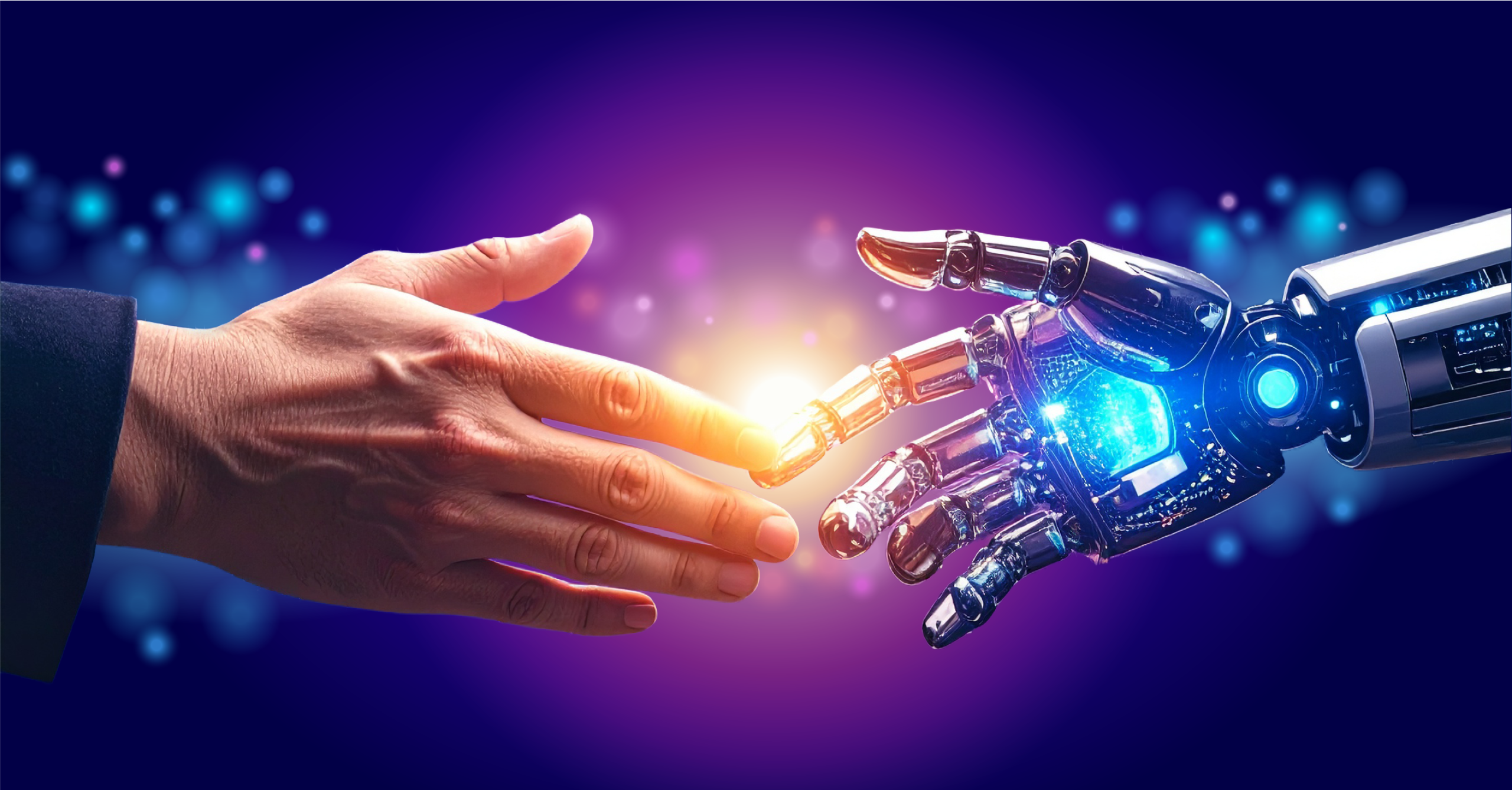

As Artificial Intelligence (AI) becomes embedded in education, work and daily life, Singapore Management University (SMU) has launched a priority research effort to address one pressing question: how can individuals, organisations and societies adapt to AI’s rapid evolution while safeguarding workforce resilience? (opengovasia.com)
SMU’s new research effort will explore how individuals, companies and societies can remain resilient amid AI’s rapid development, focusing on its influence on learning, employment and long-term future readiness. The initiative aims to generate insights that can guide policies, innovation and skills development in an increasingly technology-driven world.
This initiative was announced by SMU Vice Provost (Research) Professor Archan Misra at the opening of the MIT-SMU Resilient Workforces Symposium: Shaping the Future of Learning and Work in the Age of AI. The two-day event brought together 200 academics, policy-makers, industry leaders and students to discuss AI’s transformative role in human learning and the future of work.
Professor Misra highlighted that the Resilient Workforces Research Agenda will centre on three pillars. First, at the individual level, the research will examine how people can thrive, learn better and work effectively with machines and AI. Second, at the organisational level, it will study how firms can redesign workflows and processes to optimise collaboration between humans and AI or robotic systems. Third, at the societal level, the aim is to shape new lifelong learning policies and institutional ecosystems, while also leveraging AI to monitor shifts in required skills and measure the benefits of reskilling.
He noted that the shortening half-life of skills and careers is already a challenge and that AI is poised to disrupt jobs in both quantity and quality, particularly in white-collar knowledge work. However, he also stressed that investment in lifelong learning and adult reskilling yields measurable economic benefits.
Professor Misra serves as the Singapore-based Co-Lead Principal Investigator for the Mens, Manus and Machina (M3S) programme of the Singapore-MIT Alliance for Research and Technology (SMART). The M3S Lead Principal Investigator, MIT Professor Jinhua Zhao, explained that while humanity has centuries of experience in human–human collaboration, it is still in the early stages of developing the languages, tools, norms and institutions required for effective human–machine collaboration.
Guest-of-Honour, Dr Janil Puthucheary, Senior Minister of State for Education and Sustainability, expressed his support for SMU’s prioritisation of workforce resilience. He noted SMU and SMART’s partnerships with organisations such as Changi Airport Group and Mendaki, which provide real-world problem statements to ensure research outcomes lead to tangible impact.
The M3S programme is funded by the National Research Foundation CREATE and led by MIT, with SMU and the National University of Singapore as its key Singapore partners. SMU contributes significantly to research in robotics, Augmented Reality/Virtual Reality technologies and the joint optimisation of human and machine resources.
Symposium highlights included three keynote speeches exploring knowledge and skills for adaptive learning in the AI era, analysing AI’s impact on opportunity and infrastructure in Southeast Asia and examining how AI alters cognition, social interaction and workplace dynamics.
Panel sessions examined AI’s influence on learning, the labour market and human capital, emphasising the need for coordinated efforts by employers, academia and government and the importance of motivating and empowering individuals for a future where humans, AI and robots co-exist in the workplace.
By placing workforce resilience at the heart of its research agenda, SMU is positioning itself to address one of the most critical challenges of the AI era. Through collaboration with global partners, industry stakeholders and policymakers, the university seeks to generate actionable knowledge that can help individuals adapt, organisations evolve and societies thrive in a future where human and machine capabilities are closely intertwined.